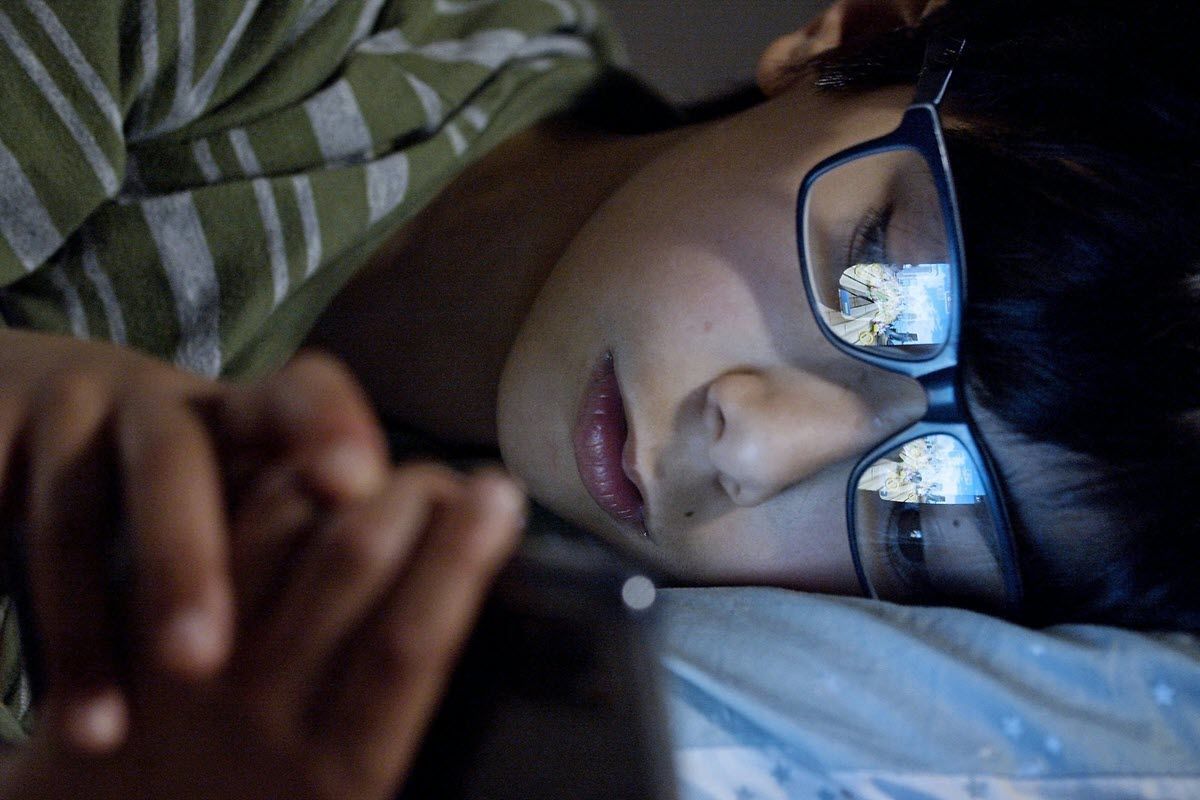
For many families, the question of when a child should get their first smartphone can be difficult to answer. Some parents see smartphones as helpful tools for communication and safety. Others worry about screen time, social media, and mental health.
New research is adding to that conversation. A recent study published in the journal Pediatrics examined how smartphone ownership during childhood may relate to health outcomes later in adolescence. The findings suggest that getting a smartphone at an early age may be associated with certain risks.
What the Study Found
Researchers analyzed data from more than 10,000 adolescents participating in the long-running Adolescent Brain Cognitive Development (ABCD) Study. The study found that children who owned a smartphone by age 12 were more likely to experience certain health concerns compared with peers who did not yet have one.
Among the findings were these outcomes:
- Higher rates of depression symptoms
- Increased likelihood of sleep problems
- Greater risk of obesity
Researchers believe some of these outcomes may be connected to behaviors linked to smartphone use, such as late-night screen time, reduced physical activity, or increased exposure to social media.
Important: A Link is Not Necessarily a Cause
It’s important to understand that the study found an association or a correlation, not proof that smartphones directly cause these problems. Many factors can influence a child’s mental and physical health, including family environment, sleep habits, school stress, and social experiences.
However, the research does reinforce what many parents already suspect based on common sense observations: that early and frequent smartphone use may influence daily habits that affect well-being.
Why Smartphones Can Be Challenging for Younger Kids
Smartphones are an entire world unto themselves. They provide access to many things at once that are appealing to kids and preteens — communication with friends, games, video content, and social media. For younger children whose brains are still developing, that combination can present challenges such as:
- Disrupted sleep from nighttime screen use
- Increased comparison and social pressure through social media
- Less time spent on physical activity or outdoor play
- Constant notifications and digital distractions
These factors can affect mood, focus, and overall health over time.
Signs Smartphone Use May Be Affecting a Child
Parents may want to watch for signs that smartphone use is becoming unhealthy, such as:
- Difficulty sleeping or staying up late online
- Increased anxiety or mood changes after using social media
- Withdrawal from friends, family, or activities
- Spending most free time on screens instead of other activities
These signals don’t necessarily mean a smartphone is the cause, but they may indicate a need for clearer boundaries.
Tips for Parents Considering a Smartphone
There’s no single “right” age for a child to get their first phone. Every family situation is different. However, experts often suggest considering a few guidelines:
Start with a basic phone if communication is the main goal.
A phone without internet or social media access can allow contact with parents while limiting distractions.
Set clear screen-time boundaries.
Many families establish rules about when phones can be used, especially before bedtime.
Delay social media access when possible.
Many platforms require users to be at least 13 years old.
Keep conversations open.
Talking regularly about online experiences helps children learn healthy digital habits.
Last Thoughts
Smartphones are now part of everyday life, and most children will eventually have one.
However, research suggests that introducing smartphones at a later age may reduce some potential risks, especially when families also establish healthy technology habits
.
For parents, the key question may not just be whether a child should have a smartphone, but when and how it should be introduced.
Taking time to consider those factors can help children build a healthier relationship with technology as they grow.