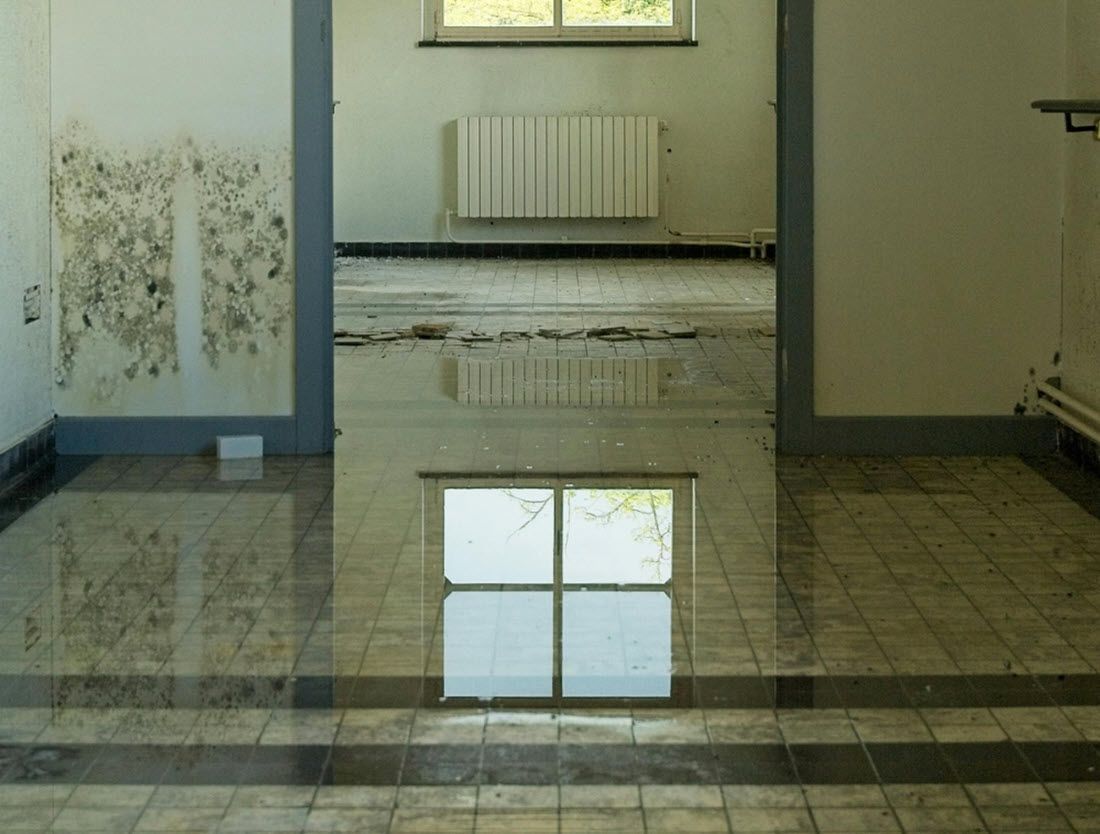
Water damage is one of the most common and costly issues facing homeowners and business owners today. While fires and storms often attract attention, it’s water intrusion — from leaks, appliance failures, and flooding — that causes frequent disruption, expensive repairs, and potential health risks.
Here’s a guide to understanding the risk, how to respond, and how insurance works — using only numbers backed by real source data.
Water Damage: How Common Is It?
According to industry research:
- Approximately 1 in 60 insured homes in the United States files a claim for water damage or freezing-related causes each year.
- That amounts to
around 14,000 water damage claims daily across the country.
- Water damage is the second most common type of homeowners insurance claim, behind wind and hail.
- 98% of U.S. basements are expected to experience some form of water damage over their lifetime.
These figures highlight how water — even from small leaks — is a very real and frequent threat to properties of all kinds.
Financial Impact: Insurance & Costs
Water damage can be expensive to repair — and often results in significant insurance payouts:
- The
average home water damage insurance claim is nearly $14,000.
- Water-related claims account for
roughly 23–29% of all homeowners insurance claims, second only to wind and hail events.
These numbers include typical damage from burst pipes, appliance leaks, and other sudden water intrusion — and they often do not include additional out-of-pocket repair costs or uninsured losses. The actual cost of water damage is much higher than these numbers convey.
Common Causes of Water Damage
Water can enter or damage your property in many ways, but the most frequent sources include:
1. Plumbing & Leak Issues
Leaky pipes, failed supply lines, and aging fixtures are a leading cause of internal water damage. These can go unnoticed for weeks, increasing repair costs.
2. Appliance Failures
Common household machines — washing machines, dishwashers, water heaters, and refrigerators — often leak due to plumbing or hose failure.
3. Flooding & Drain Backups
Natural flooding and sewer backups can cause serious water intrusion, though they’re typically not covered under standard homeowners insurance without additional endorsements (see Insurance section below).
What to Do Immediately After Water Damage
Quick action can make a big difference in limiting long-term damage:
Stop the Water Source
- Shut off the main water valve if a pipe is actively leaking.
- Turn off appliances that are the source of water intrusion.
Ensure Safety
- Turn off electrical circuits if water is near outlets.
- Avoid using electrical devices on wet surfaces.
Dry the Area Fast
- Mop up standing water.
- Use fans and dehumidifiers if available.
- Remove wet rugs and move furniture to dry locations.
Document Everything
- Take photos/videos.
- Keep receipts for cleanup and emergency repairs.
- Document damaged items before discarding.
Professionals will often advise that
mold can begin to grow within 24–48 hours after water exposure, making rapid mitigation crucial.
Insurance Coverage: What’s Covered and What’s Not
Understanding your insurance policy is key to avoiding unexpected costs. Consult with your home or business insurance agent to ensure you have the right coverage for your circumstances.
What Standard Insurance Usually Covers
- Sudden and accidental water damage from
burst pipes
- Water damage from
broken fixtures
- Leaks from appliances like dishwashers or washing machines
This type of coverage is typical in most homeowners and commercial property policies.
What Most Policies Do Not Cover
- Flooding from rising water, storm surge, or river overflow
(Separate flood insurance is required, usually through the National Flood Insurance Program.) - Sewer and drain backups, unless you purchase a specific endorsement for it
- Water damage due to
lack of maintenance or gradual leaks
In other words, damage from a burst pipe is often covered — but damage from a backed-up sewer line or rising floodwater generally isn’t.
When to Call a Professional
Minor spills and splashes can typically be handled on your own. But
significant water events — especially those affecting walls, insulation, flooring, or electrical systems — should be assessed by trained restoration professionals.
Pros can:
- Remove standing water with industrial extractors
- Dry hidden cavities behind walls
- Assess structural damage
- Mitigate mold growth
Hiring professional help early often prevents larger structural repairs later.
Tips to Prevent Water Damage
Preventing water damage now can save you hassles and money later:
- Inspect plumbing regularly (especially older pipes)
- Replace old appliance hoses and fittings
- Maintain roofs, gutters, and downspouts
- Install water detection alarms near appliances
- Know where your
main shutoff valve is located in your home or business
Many homeowners and business owners also add
water leak monitoring systems that can automatically shut off the water supply when a leak is detected.
In Conclusion
Water damage is one of the most frequent and costly property issues, but with the right knowledge and preparation you can reduce your exposure and respond effectively when it happens.