You're at the rental counter, eager to start your vacation or business trip, when the question comes:
“Would you like to add insurance to your rental car today?”
And just like that, your daily rate could jump by 50% or more.
So, should you say yes? Not always. In many cases, if you already carry auto insurance or have the right credit card, you may not need to purchase extra coverage. But as with any insurance decision, the answer depends on your specific situation.
Let’s break it down.
1. What Your Personal Auto Insurance May Already Cover
If you own a car and have insurance for it, chances are some or all of your coverage extends to rental vehicles. Here’s how:
- Liability Coverage
This covers damage you cause to other vehicles or property while driving the rental. Most personal auto policies include liability protection that applies to rentals.
- Collision Coverage
If your policy includes collision coverage, it may also cover damage to the rental vehicle if you’re in an accident.
- Comprehensive Coverage
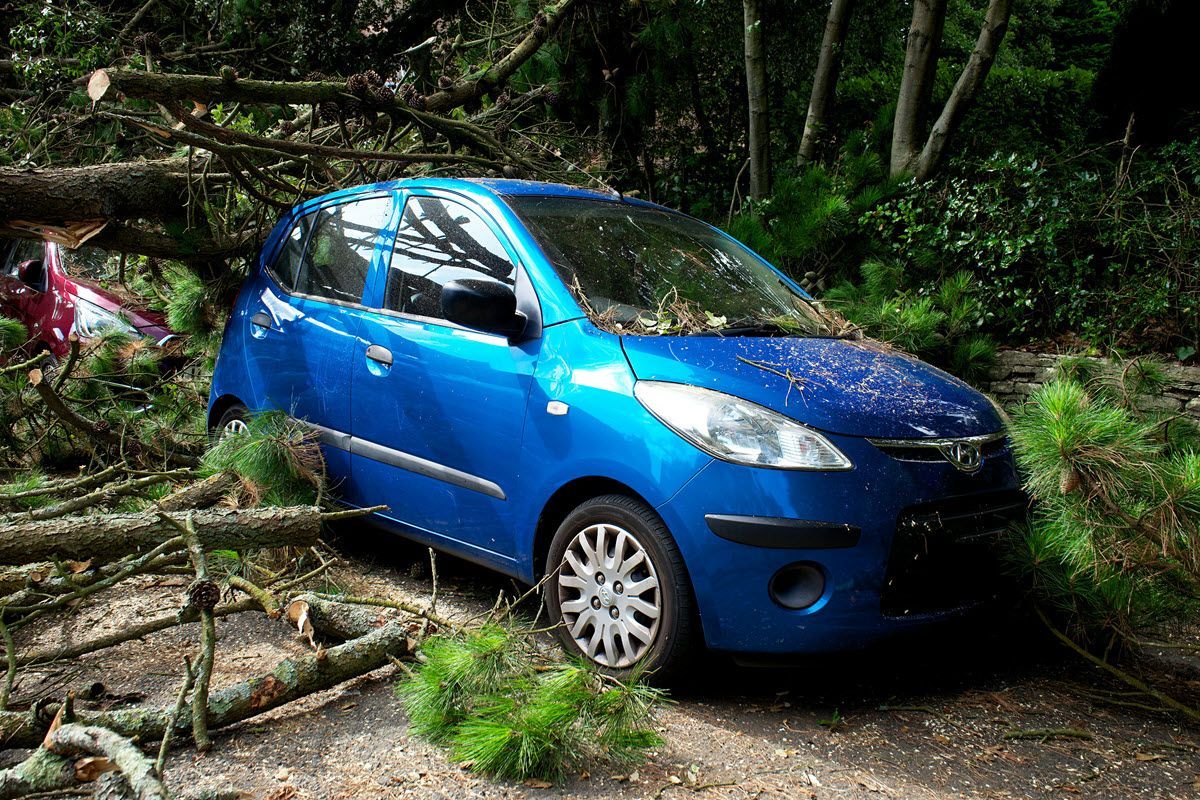
Comprehensive covers events like theft, vandalism, or weather-related damage. If your personal vehicle has this protection, your rental might be covered too.
Important: Coverage details can vary from one insurer to the next. Before declining rental insurance, check with your insurance agent to confirm what your policy includes.
2. Credit Card Rental Car Insurance
Certain credit cards—especially premium cards like gold, platinum, or travel rewards cards—may offer rental car coverage when you use the card to pay for the rental. This protection typically falls into two categories:
- Primary Coverage
This acts as your main policy for the rental. If something happens, you may not need to file a claim with your auto insurance at all.
- Secondary Coverage
This kicks in after your personal insurance and may help cover deductibles or costs not covered by your policy.
To be eligible, you usually must:
- Pay for the rental using the credit card offering the benefit
- Decline the rental company’s supplemental insurance at the counter
Tip: Read the fine print on your credit card benefits. Exclusions are common. For instance, many cards won't cover rentals of luxury or exotic vehicles, off-road driving, or rentals that last beyond a certain number of days.
3. When You Might Need to Purchase Rental Insurance
There are situations where rental car insurance
is worth the extra cost:
- You don’t have collision or comprehensive coverage on your personal auto policy.
- You have a high deductible and want to avoid paying out of pocket if something goes wrong.
- You're renting for business use, which may not be covered by personal policies or credit cards.
- You're traveling internationally, especially outside the U.S. and Canada.
- Your credit card coverage is limited or unclear, and you want extra peace of mind.
The Bottom Line
You may not need to buy rental car insurance, especially if you already have rental coverage in place through your auto policy or credit card, but the only way to know for sure is to check your existing policies before you travel.
Still unsure? We’re here to help you understand your current coverage and make the right call before your next trip.