For a long time, we've been used to thinking of retirement as a single date on the calendar. You'd mark the day, maybe throw a party, and then you'd stop working entirely. That story is changing.
More Americans are rejecting the "all or nothing" approach. Instead of picking a retirement date and switching off their work life like a light, they're choosing to transition gradually: reducing their hours, freelancing, consulting, starting a business, or even pursuing a new late-in-life career. Retirement is becoming less of a destination and more of a season people are moving into at their own pace.
The shift is significant. According to Fidelity Investments' 2026 State of Retirement Planning study, 72% of Americans now expect to retire on their own terms, up from last year. And more than six in ten workers say they plan to transition gradually into retirement rather than stopping work entirely.
Younger generations are leading this change, but it spans all ages. Why? Because the old retirement model doesn't match how life actually works anymore.
Why the Shift Is Happening
The reasons for this change are both practical and financial. One major factor is rising costs. Inflation has made it harder in recent years for people to save as much as they planned. Many are balancing retirement contributions with monthly bills and credit card debt. Some people are worried they haven't saved enough to live comfortably, so phasing into retirement gives them longer to keep earning while they adjust to living on less.
Health care is another driving force. Most Americans expect medical expenses in retirement to be significant. The longer you can earn part-time income and keep employer health coverage, the less pressure you face to withdraw from retirement savings. Building a larger nest egg upfront isn't always possible, but phasing into retirement can help.
What's more, modern life is more dynamic than it used to be. Career paths aren't as rigid, and options for remote work, consulting, and freelancing have expanded. Many people are deciding they don't want to stop working entirely at 65, but would rather keep working on their own terms. Part-time work, seasonal work, or work that aligns with causes they care about—that's the 'retirement' many prefer.
The Power of a Plan
The data here is encouraging: people who have a retirement plan are more than twice as likely to feel confident about their financial future.
Among retirees, 81% who had a plan before retiring believe they'll have enough money for life. Compare that to only 45% of people who retired without a plan. That's the difference between feeling in control and feeling anxious.
Planning reduces uncertainty, which is the source of a lot of stress. Planning doesn't mean you have to have all the answers. It means building a strategy that accounts for your real situation: what you'll earn part-time, what you'll need to spend, when you'll tap into retirement accounts, and, importantly, how healthcare fits into the picture.
Building Your Strategy
If you're considering a gradual transition into retirement, start by walking through these steps to build your strategy:
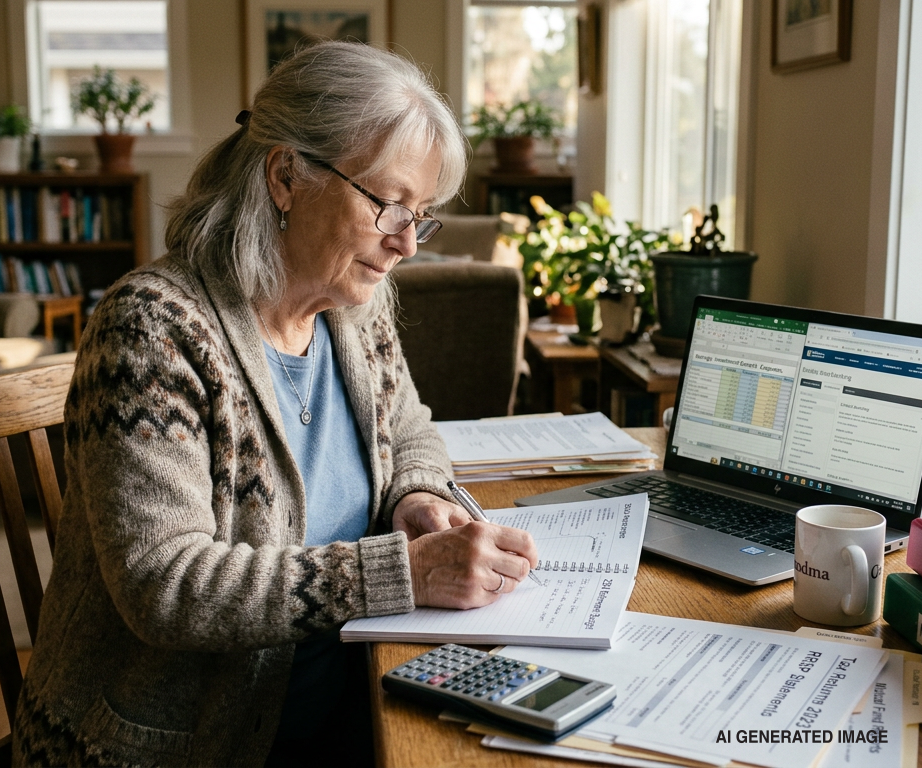
Calculate your target income. Map out what you'll need each month by combining your expected part-time earnings with money from savings and retirement accounts. Be realistic about what you'll earn and what you'll spend. This becomes the number that guides every other decision.
Plan your withdrawals strategically. When you start drawing money from a 401(k) or IRA account is important. Taking too much too early could lead to a bigger tax bill. Starting too late could mean missed opportunities. Think about the timing that works for your situation, and get input from one of our experienced advisors.
Check your Social Security estimate. Log into your Social Security account and see what your benefits would be at different claiming ages. Many people are surprised at how much the amount changes based on when they start. This baseline Social Security amount is also critical to your plan.
Maximize your employer match. If you're still working, even part-time, take full advantage of any 401(k) match your employer offers. It's essentially free money, so don't leave it on the table!
Build an emergency fund. Keep money set aside for unexpected expenses to avoid being forced to tap into long-term savings when something breaks or there's an emergency. You can always expect the unexpected to happen, so this crucial safety net protects your retirement plan from being derailed.
Think about taxes. Explore options like Roth conversions or strategic withdrawal timing to reduce your tax burden. A small change in strategy can mean money in your pocket over time.
Review your investment mix. As your timeline changes, so should your portfolio. Make sure your investments still match your realistic retirement timeline and the income you need to generate.
Your Retirement, Your Way
Whether you picture full-time relaxation, part-time work, a passion project you've been dreaming about, or some combination of all three, the most important thing is having a plan that makes you feel in control.
Your goals will evolve and life will surprise you. Our goal is to help you develop a financial strategy flexible enough to adapt to life's changes.
No matter how old you are now, it's okay if you don't have it figured out yet. Start today with a conversation with us about what your retirement could look like, and a realistic plan for how to get there. So when the time comes, whatever that looks like, you'll have confidence in place of uncertainty, and a foundation to make the choices that fit you.